
Why Are Transitions So Difficult for My Child? Tips to Make Transitions Easier
Many parents tell us, “My child struggles with getting out the door,” or “Transitions are a battle every single day.”
If this sounds familiar, you’re not alone, and the good news is that there are effective child-friendly, connection-based strategies that can make difficult transitions feel smoother and more enjoyable for both you and your child.
In this article, we’ll explain why some children find transitions difficult, define intrinsic rewards, and explain how you can use them to make daily routines easier.
What Are Intrinsic Rewards (and Why Do They Matter for Children)?
Intrinsic rewards are the naturally enjoyable parts of an activity that motivates us to do it -
without needing a sticker, prize, or reward chart.
A relatable example for adults:
Think about drinking your morning coffee, going for a walk, or watching your favourite show at night. No one rewards you for doing these things. You do them simply because they make you feel good. The pleasure, satisfaction, or sense of calm you get is enough to keep you coming back.
Children are the same. When a routine has something built into it that feels fun, safe or enjoyable, they’re more willing to participate. The key is that intrinsic rewards build lasting motivation. Unlike external rewards, which can lose their appeal over time or create dependency, intrinsic rewards tap into a child’s natural curiosity and enjoyment.
Why do some kids find transitions so hard?
Transitions can be tricky for lots of children. A transition simply means moving from one activity to another. For example, getting dressed, leaving the house, turning off the TV, or coming to an appointment.
Some kids find these moments hard because:
They’re focused on what they’re already doing and it’s hard to stop.
They don’t know what’s coming next, which can make the change feel scary or sudden.
Their bodies or brains need more time to shift gears, especially if they’re tired, hungry, or feeling overwhelmed.
They really enjoy the activity they’re doing, so stopping feels like a loss.
The next step may feel unpredictable or demanding, which can create stress.
When transitions feel too sudden or stressful, children may resist, shut down, run away, or become upset. This isn’t “naughty behaviour”, rather it’s a sign they need more support, more predictability, and more enjoyable moments built into the process.
That is where intrinsic rewards come in. When we make the transition itself fun, soothing, or meaningful, children feel safer and more willing to move to the next activity.
What is the Difference Between Intrinsic Rewards and Token Rewards?
Parents often hear about sticker charts, star charts or “if you… then you get…” systems. These are token rewards, and while they may work temporarily, they rarely lead to lasting change, specifically when it comes to developing lasting intrinsic motivation and calm transition habits.
Here’s a simple comparison:
Intrinsic Rewards | Token Rewards |
The activity itself feels enjoyable | Child does the activity to earn something |
Builds long-lasting motivation | Works short-term, but the motivation disappears |
Helps the child feel safe and confident | Can create pressure or stress |
Encourages independence | Creates reliance on rewards |
Examples: favourite song, predictable routine, playful moments | Examples: stickers, treats, screen time |
Why we aim for intrinsic rewards:
Intrinsic rewards help transitions stick. When a child enjoys the process and develops personal satisfaction from it, they don’t need a constant reward to stay motivated every time.

How Can I Make Transitions More Enjoyable for My Child?
The key is adding simple, predictable, intrinsically rewarding moments into the transition so it feels fun and safe. Below are therapist-approved ideas you can use at home.
1. Create a Favourite Song Routine
Music can make transitions feel lighter and more predictable. Children often begin to associate the transition with something they enjoy.
Try:
Playing your child’s favourite song when it’s time to get ready
Having a special “getting dressed” playlist
Using the same song each time, so it becomes a comforting cue
2. Turn Transitions into a Scavenger Hunt
Yes - and kids love it. This makes the transition feel like a game rather than a demand.
To get to the car, try:
Laying out toy cars or mini animals along the hallway
Asking your child to collect each “treasure” as they move to the door
Having a special spot in the car where they place the last item
3. Use a Timer to Signal Changes
A timer can help, as long as it’s fun and gentle rather than pressured.
Example: “Let’s see how many steps we can take before the sand runs out!” No racing. No stress. Just playful curiosity.
4. Set Up a Transition Buddy System
Many children feel more secure and safe when they can bring a favourite item. You can even say, “Your buddy is going to help you get to the car today!”
Ideas include:
A small toy
A fidget
A comfort object

5. Incorporate Movement into Routines
Adding predictable movement can reduce stress and increase engagement. Repetition builds confidence. Children love knowing what comes next.
Try:
2 jumps
1 spin
5 giant steps to the door
6. Use Storytelling to Guide Transitions
Story steps create fun, connection, and predictability. Turn the routine into a mini story:
“The dinosaur boots are waking up!”
“They tip-toe to the door…”
“Now they’re ready for their adventure!”
7. Offer Small Choices During Transitions
Offering simple choices gives children a sense of control. Choice → control → confidence.
Examples:
“Do you want to open the door or should I?”
“Should we hop or tiptoe to the car?”
“Do you want to press the music button when we get in?”
8. Create A Visual Checklist
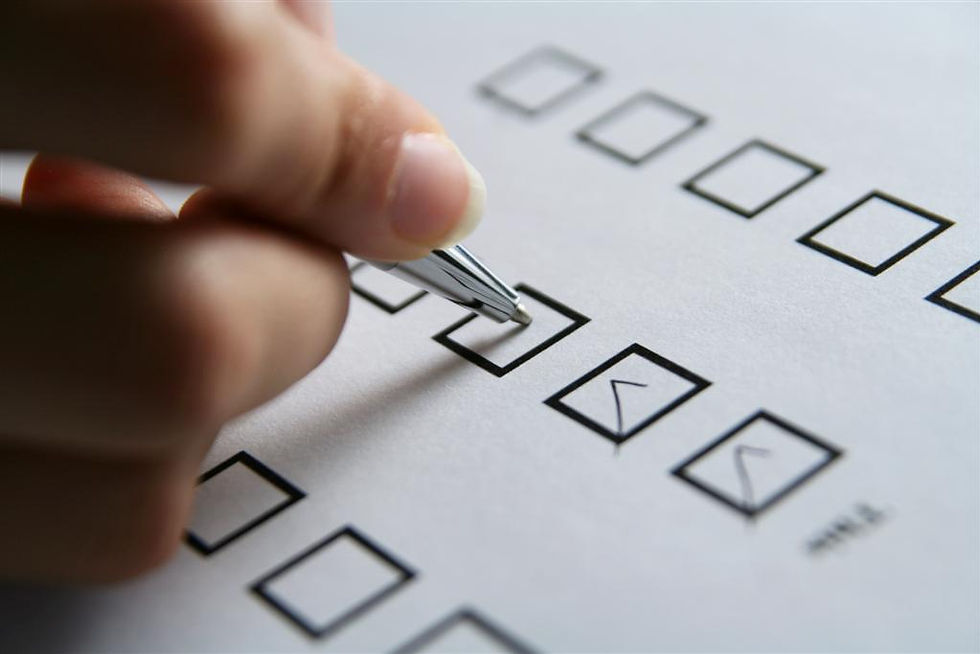
If your child loves predictability, a visual schedule can be powerful. Ticking off each step can feel intrinsically rewarding for many children. Much like when an adult ticks a task off their to-do list!
Use photos of:
Shoes
Bag
Door
Car
Final Thoughts: How Do I Support My Child with Transitions Long-Term?
Making transitions easier isn’t just about getting through the moment; it’s about helping your child develop confidence, independence, and a sense of security that carries over into every part of their day. Children move more smoothly from one activity to the next when they feel:
✔ Safe
✔ Prepared
✔ Confident
✔ Connected
✔ And genuinely enjoying the process
Long-term success comes from embedding small, intrinsically rewarding moments into daily routines. Over time, children start to internalise these routines, learning to self-regulate and handle transitions with less stress, without needing constant prompts or external rewards.

If you’d like personalised strategies for your child or support from one of our Speech Pathologists or Occupational Therapists at Milestones Kids Therapy Hub, we’re always here to help.
📞 Call us on 8201 3599 or click here to book an assessment today.
Speech Pathologist
Milestones Kids Therapy Hub
Wetherill Park


Comments